
 Teo Aik Gal
Join TEO AIK GAL as she explores how traditional bakeries in Singapore have adapted to stay afloat in an era of modernisation and automation.
When most are still asleep in the wee hours of the morning, the lights in some of Singapore’s old-school bakeries are already on. Chefs and bakers begin their day as early as 2 a.m., starting preparations long before the first customer arrives.
This is the norm for the last few traditional bakeries in Singapore – establishments that still rely on time-honoured techniques, rather than automated machines.
As Singapore’s food scene increasingly turns to machines for mass production, old-school bakeries continue to rely on hands-on methods. What keeps them committed to traditional ways of baking?
Dona Manis: Serving a Slice of Nostalgia
Meet Claire Ariela Shen, the third-generation owner of Dona Manis, a beloved heritage bakery in the heart of Katong. Boasting a rich history of 30 years, the bakery bakes classic pastries, such as banana pies, apple crumbles, and mini pandan chiffons by hand.
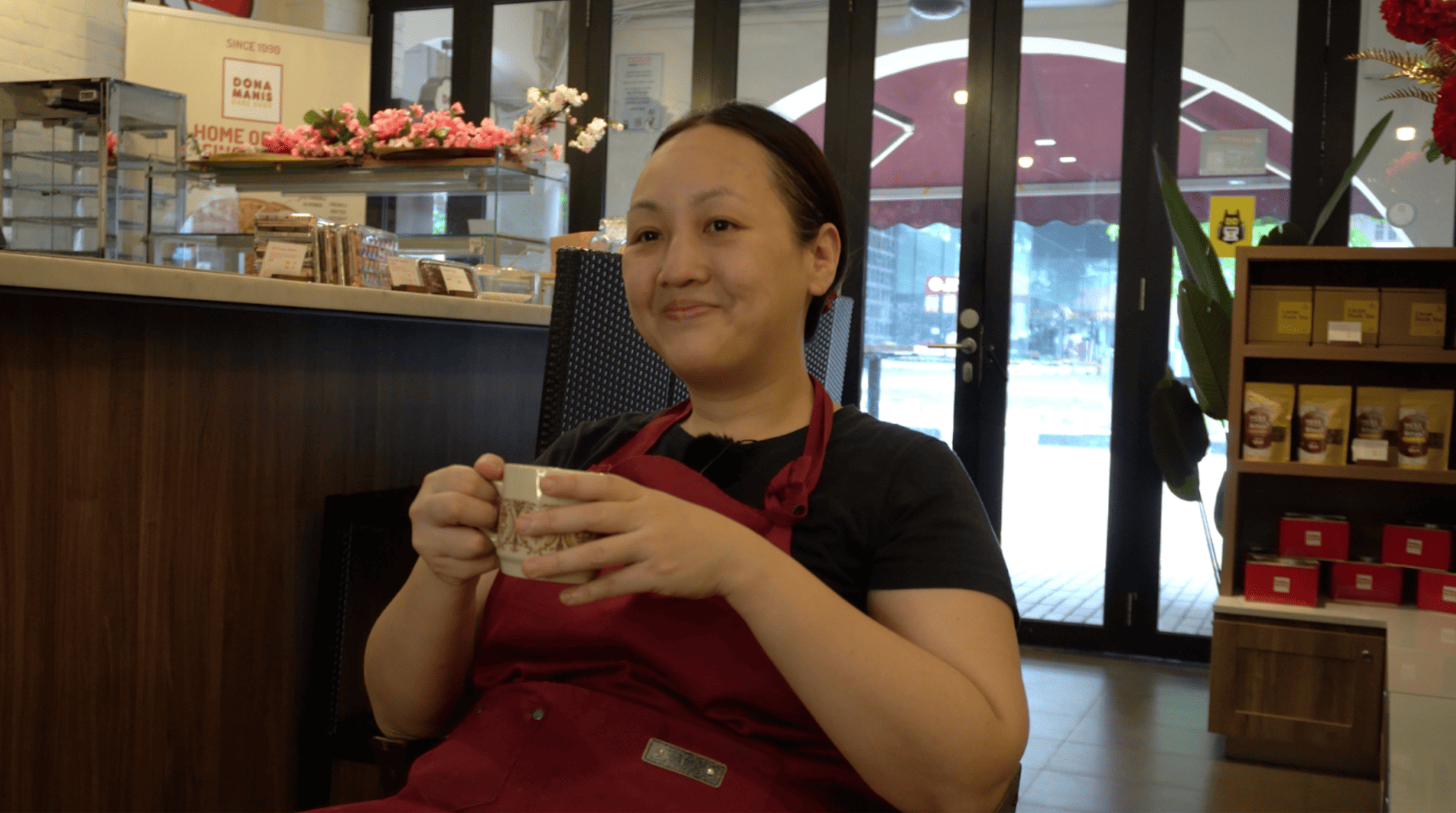
The store at Katong Shopping Centre began as a central kitchen producing kueh (a wide variety of traditional bite-sized snacks, cakes, and desserts commonly found in Southeast Asia) for a five-star hotel, before eventually evolving into a bakery run by Claire’s grandfather, Mr Tan Tieow Teong. The bakery was later named Dona Manis, after a traditional kueh made with banana and gula melaka.
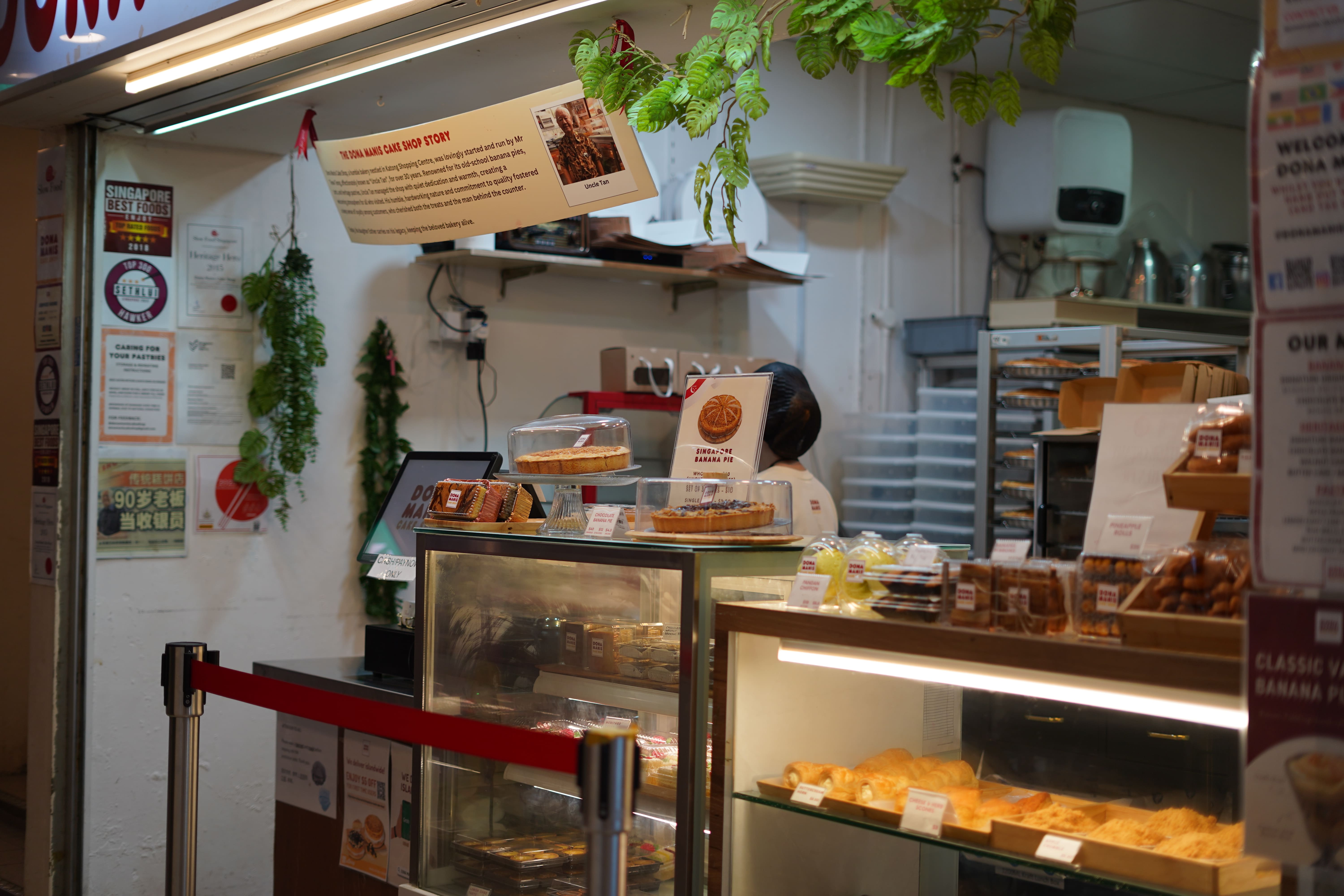
Today, his legacy is carried on by his daughter, Esther Tan, who now runs the bakery alongside her own daughter, Claire.
Traditional Techniques Behind Pastries
At Dona Manis, chefs prepare their pastries by hand, manually peeling and cutting their fresh ingredients the day before or in the early hours of the morning. The dough, fillings, and tart shells are also made from scratch, before being baked.
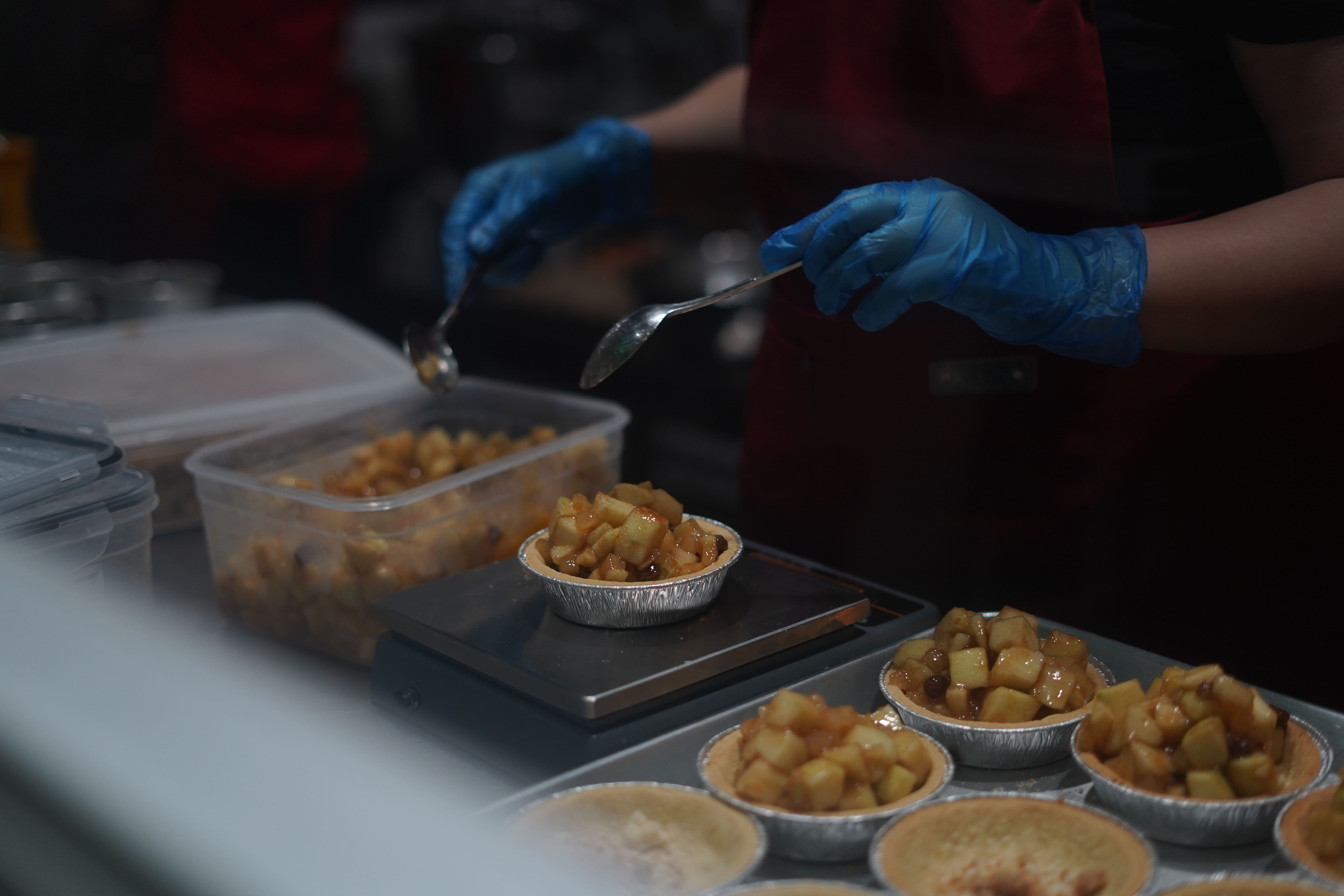
“As a pastry chef, we’re a lot about honouring ingredients and making things from scratch.” Claire says. “I think there is a soul to the kitchen, [it lives in] the heart and hands of the pastry chef.”
She adds that other factors such as ingredients at different stages of ripeness or preparation can affect how suitable they are for different bakes. Thus, there are certain things such as smell, colour, and appearance, that machines cannot determine and only a chef can. “These are skills that need to be maintained so that we never lose those flavours that have been perfected over generations,” Claire says.
Commitment in a Family Business
Claire’s initial plans on continuing her studies were disrupted when her mother and grandfather had encouraged her to carry on the family business. Although she was hesitant at first, she was reminded of how they had “started from almost nothing” and the hardships they endured.
In the end, she decided to step in and take the lead, carrying the business forward.
“That’s the thing about family businesses,” Claire shares. “That you’re not doing it for [the] money, fame, or career progression. A lot of what we do is about family.”
Preserving Tradition Amidst Modernisation
Challenges remain for these old-school bakeries to survive in an ever-changing food scene. An article by Channel News Asia states, “The number of traditional bakeries in Singapore is dwindling in the face of rising costs, competition from large chains and a manpower crunch.”
“A lot of customers also expect that prices should not move… I think a lot of heritage businesses, not just our pastry or bakery business, face this challenge,” Claire adds.
She believes that sustaining a brand ultimately comes down to offering good products, consistent quality, and attentive service. The community and shared memories that Mr Tan had built are what keeps their customers coming back. The family hopes Dona Manis will continue to uphold the same values and carry the same warmth and connection that has defined the bakery’s place in the neighbourhood.
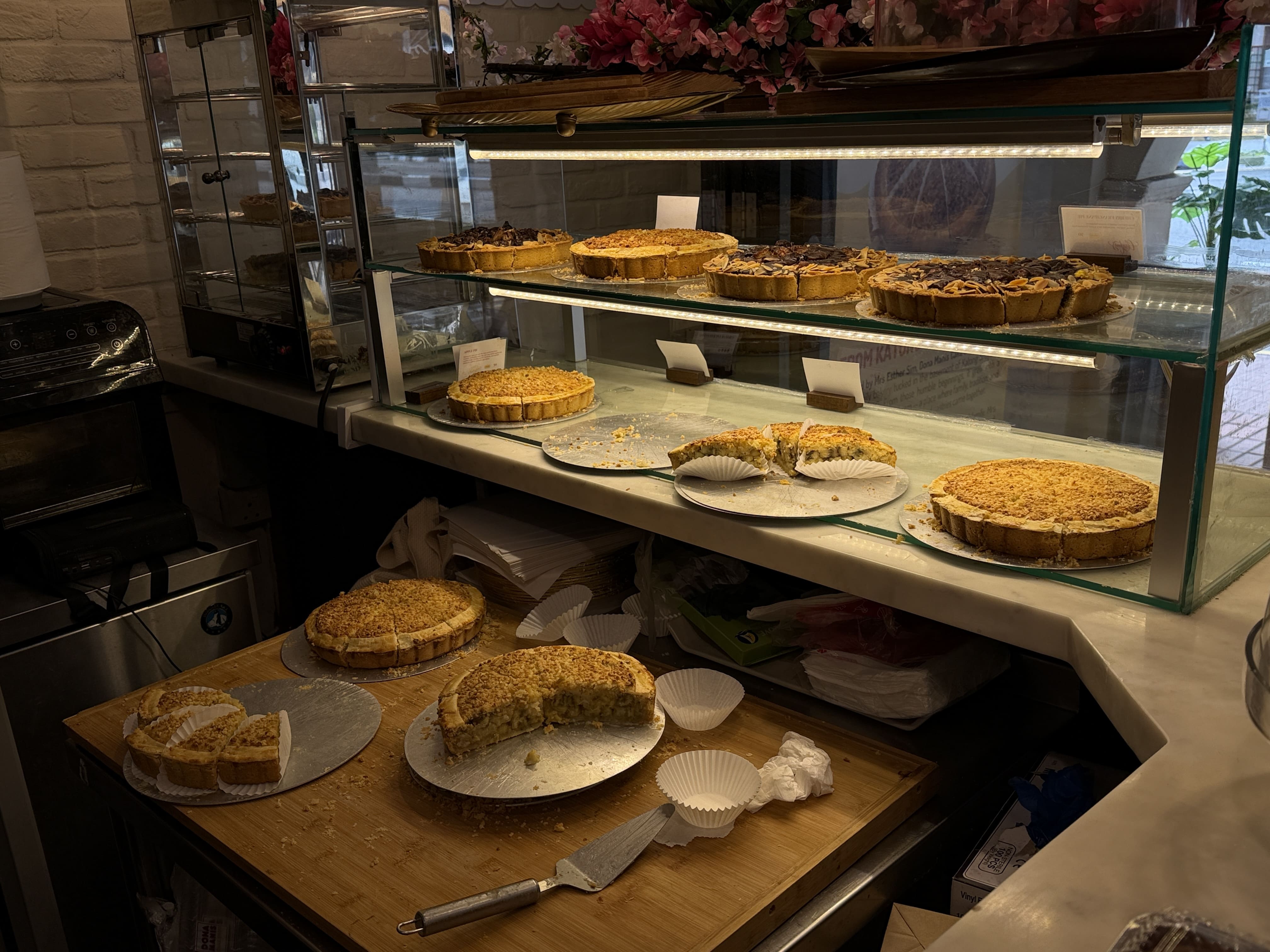
For customers like Jiajia, Dona Manis is a bakery that has held many pleasant memories for her and her family. She says, “[Dona Manis] brings back a lot of my fond childhood memories living here and growing up here. That’s why I still come back, even [now that] I have children [of my own].”
At the same time, automation and tradition can co-exist. She emphasised the importance of heritage businesses preserving their traditional techniques, valuing them, and ensuring that staff with these specialised skills can continue to refine and pass them on.
Despite these setbacks, Claire believes that old-school bakeries will still have a place in Singapore’s food landscape. “If the next [generation] of bakeries continue to hold on to the values they stand for, as well as [staying] open to innovate and care [enough] for customers to create products that [remain] relevant and [continue to] delight customers, there will always be people who come back.”
Old-school bakeries like Dona Manis offer a glimpse into the hard work and dedication of some of Singapore’s last few heritage bakers. As society continues to modernise and convenience takes precedence, preserving the craft becomes increasingly important, so that rare skills, community ties, and cultural identity are not lost over time.
Watch the full video here: https://youtu.be/DfJr8ImSBjs