
 Teo Aik Gal
Join TEO AIK GAL as she explores how Mass Communication students leverage their Final-Year Projects to raise awareness on marginalised communities.
Writing, designing, and marketing are just some of the skills Mass Communication students from the School of Film & Media Studies develop over their first two years in polytechnic. In their third year, students are given the opportunity to specialise by choosing a focus for their final-year project, from Marketing and Design to Journalism, Production, and Radio.
From raising awareness for social issues to working directly with community organisations, students channel their expertise to apply what they have learnt to amplify community voices and support meaningful initiatives beyond campus.
Designing Visions Into Impact
As a design-focused capstone project, Inspire enables students to run a creative agency and provide real-world design services to clients. This semester, it consists of two groups, rippl and odddots.
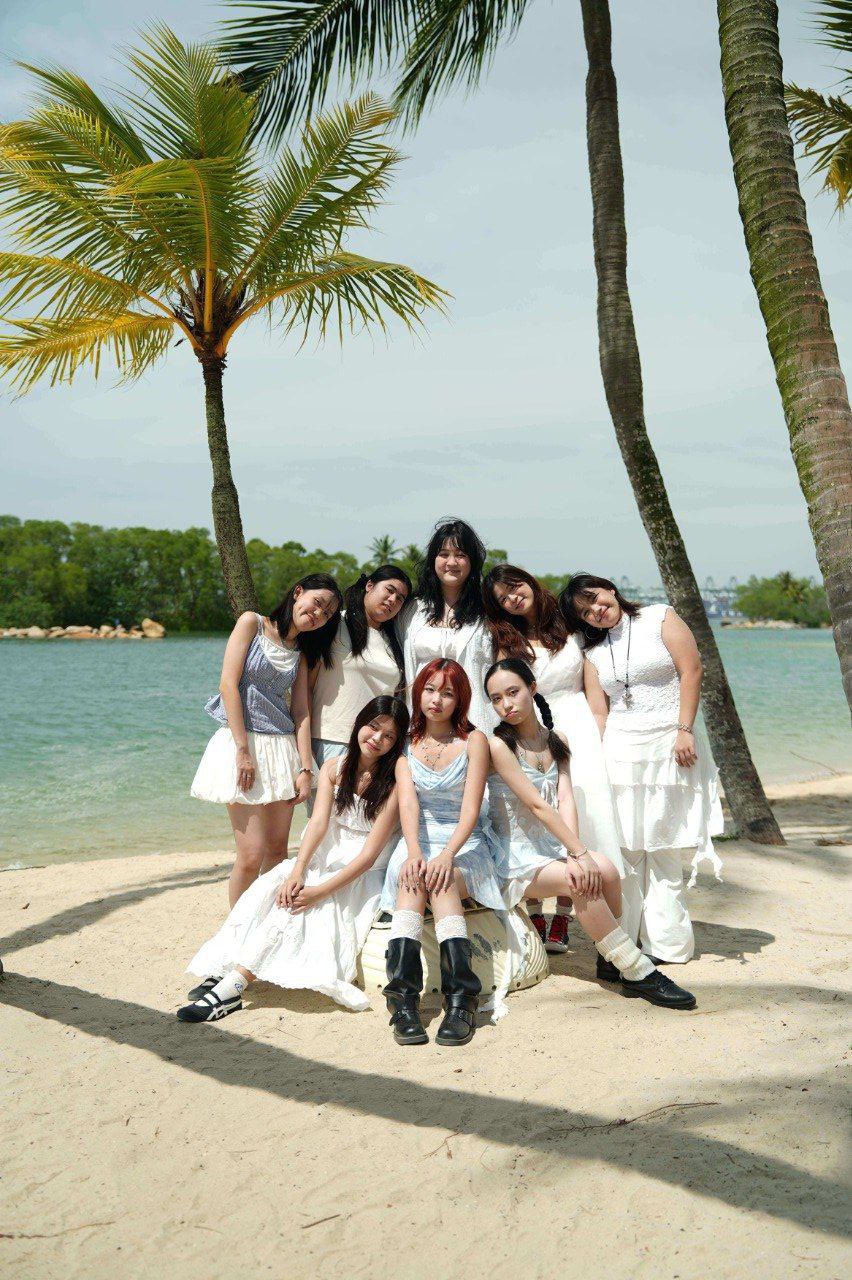
Students begin by establishing their agency’s brand identity and creative direction before working directly with clients through design briefs, ideation, and execution, refining their work based on client feedback.
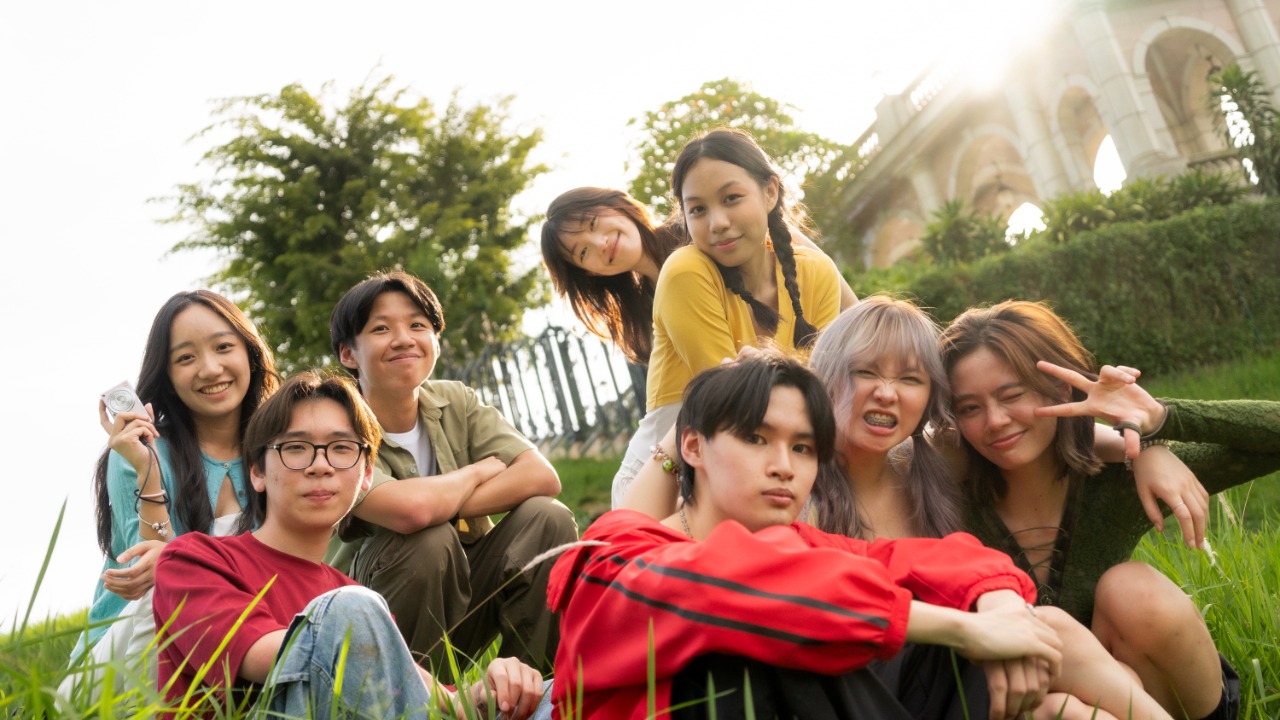
Isabelle Tan, a representative of odddots, says, “We source our own clients, so we send out emails [and] do cold calls. We also have clients that reach out to Ngee Ann [Polytechnic] and [the School of Film and Media Studies, where] they will direct the clients to us.”
Where Stories Take Shape
Consisting of The UrbanWire and HYPE SG, Writer’s Room is a student-run newsroom that covers on-the-ground events and other newsworthy stories.
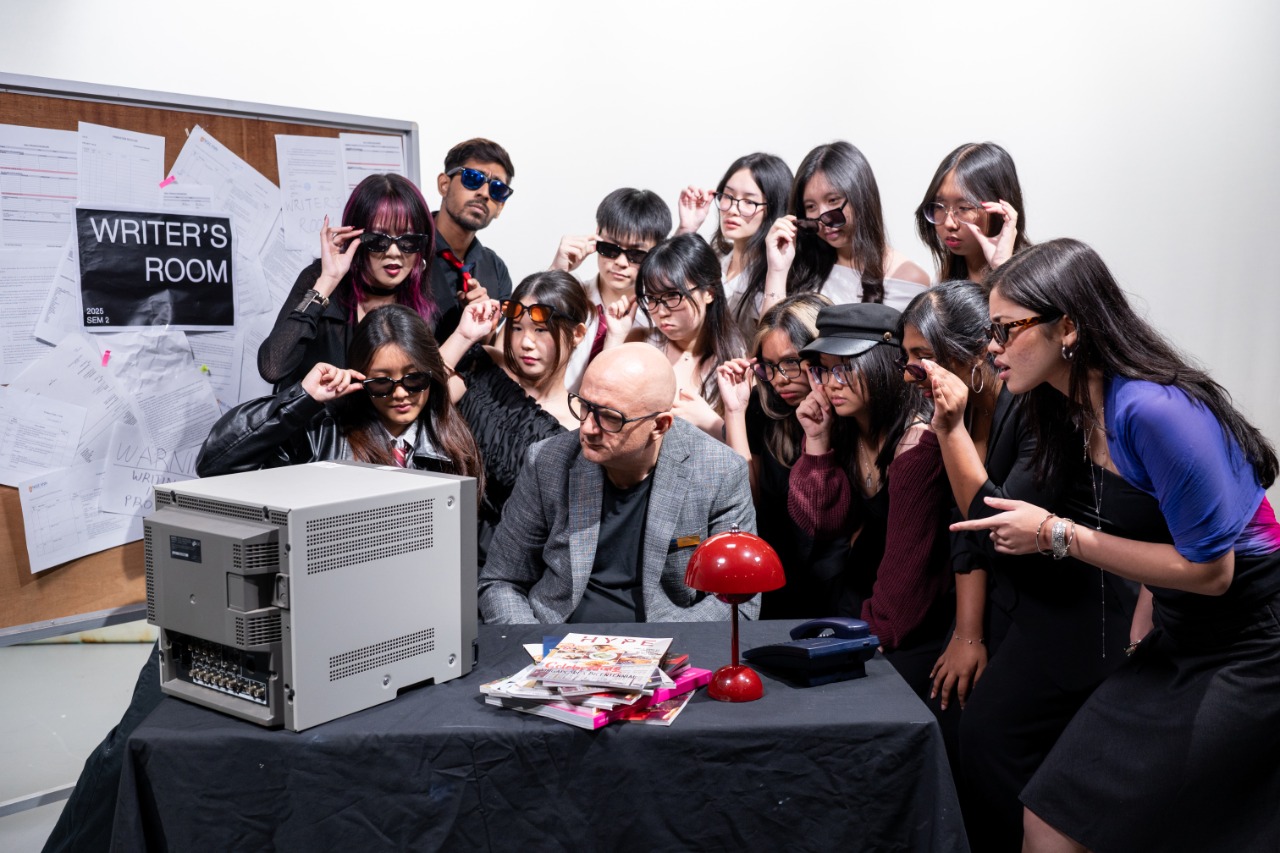
Sarah Adriana, Lead Editor of The UrbanWire, shares that the platform focuses on video journalism, producing long-form content for YouTube and short-form content for Instagram, alongside concise articles aligned with its content pillars.
Meanwhile, Dhyana Prayascitta, Lead Editor of HYPE SG, shares that the platform covers a wide range of topics, from “event coverage [and] trends in pop culture” to well-being and “in-depth explorations” of social issues and community affairs.
The team begins by brainstorming and refining story angles before pitching them for approval. For shoots, students plan scripts, shot lists, and interview questions, assigning roles such as host, director, and videographer. While writers focus on developing the article, others take charge of video editing, social media content, and thumbnails, with deputy and lead editors reviewing all materials to ensure clarity, quality, and structure. Throughout the process, students can rotate between different roles, honing the ones they enjoy and challenging themselves to broaden their skillsets.
Creating Campaigns That Matter
Metamorphica is a multi-disciplinary capstone that brings together Mass Communication students and Business Studies students from the School of Business & Accountancy specialising in Entrepreneurship. Working in interdisciplinary teams, students collaborate with one of three selected clients, combining creative storytelling with strategic business thinking.
“[The process] usually begins with research and understanding the client’s background and challenges,” says Regine Thien, Creative Director of the group working with the culinary social enterprise, Soul Food.
From there, teams move into ideation and planning before executing their content. “There’s a lot of discussion and brainstorming, and we also have to test and refine our ideas,” she adds.
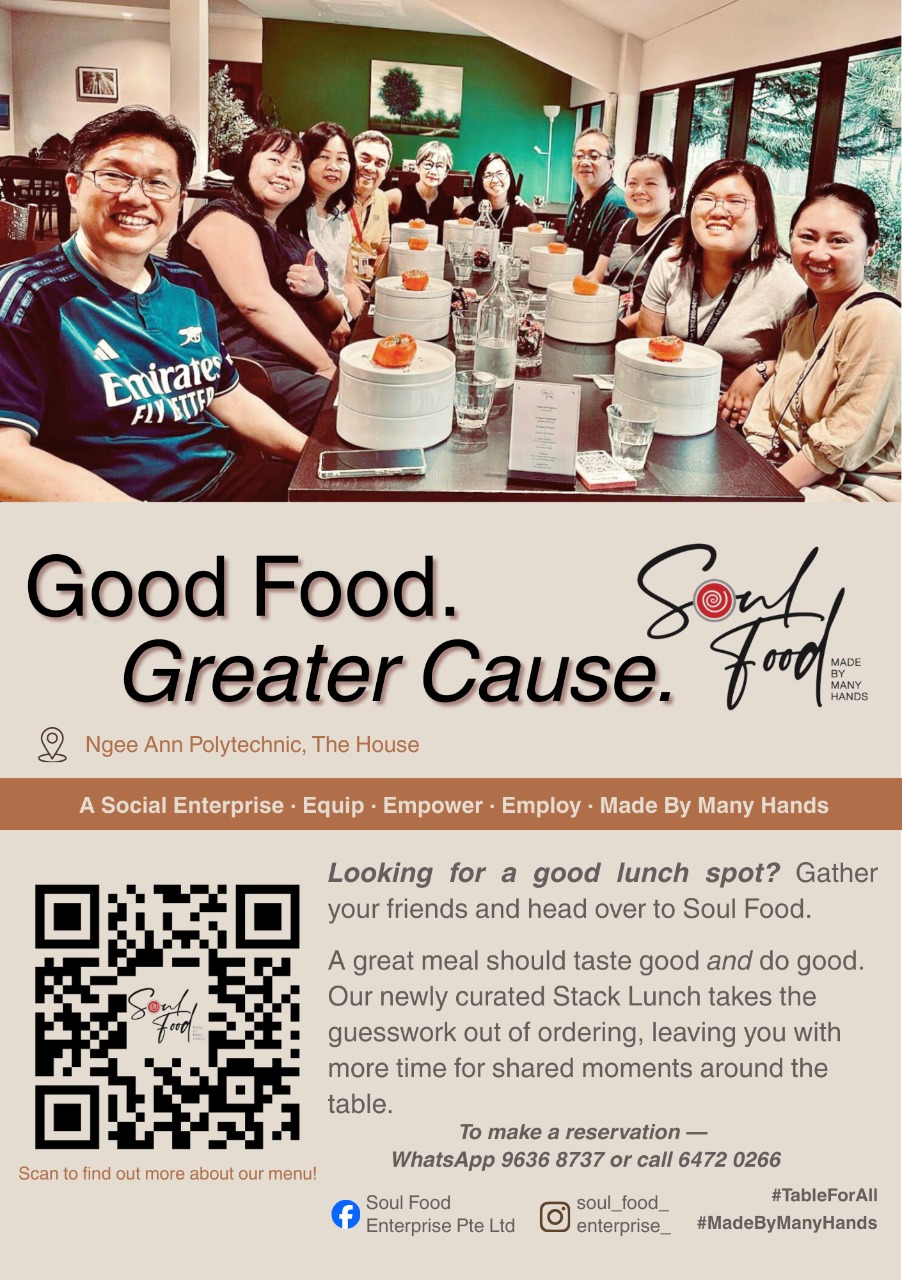
Beyond content creation, the process often involves more hands-on social media work, such as boosting posts as advertisements. These steps help students to adapt their content ideas in a more realistic and practical way.
Using Media For Good
While these platforms primarily provide a space for students to be creative and gain experience working with real-world clients, they also serve as tools for driving awareness and impact for social enterprises.
One such example is rippl, which collaborated with Mama on Palette, a community that offers a range of support for mothers passionate about the arts, including inspiring articles, artist features, art exhibitions, sharing sessions, and workshops.
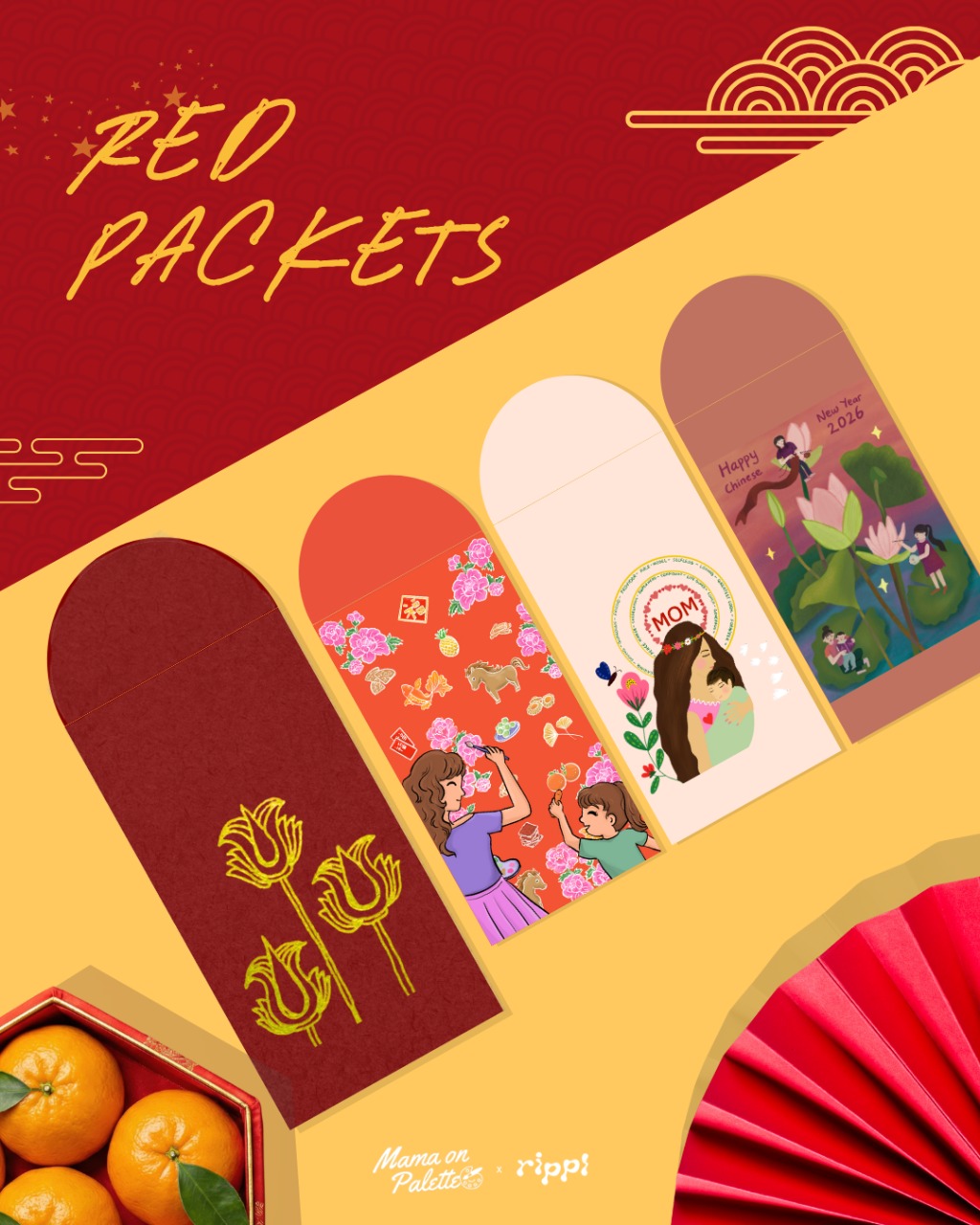
Rippl has successfully raised awareness and funds for Mama on Palette’s mission, launching an open call for ‘mama artists’ to submit designs for red packets and good luck keyrings, which were turned into limited-edition merchandise this Chinese New Year.

Sarah Ong, one of the Account Leads at rippl, shares, “We chose to work specifically with Mama on Palette because of their mission and values. As an agency, we came to a consensus on [the] social organisation and cause we wanted to raise awareness for. Mama on Palette recognises the healing power of art and aims to raise awareness on mothers’ mental wellness.”
Meanwhile, odddots designed a range of collaterals, including shirts, keychains, and interactive activities, inspired by their colourful and whimsical branding. The team plans to encourage participants to reconnect with their inner child, while creating opportunities to give back by donating proceeds from their planned event to Tak Takut Kids Club, a community space dedicated for children and youths from vulnerable backgrounds.
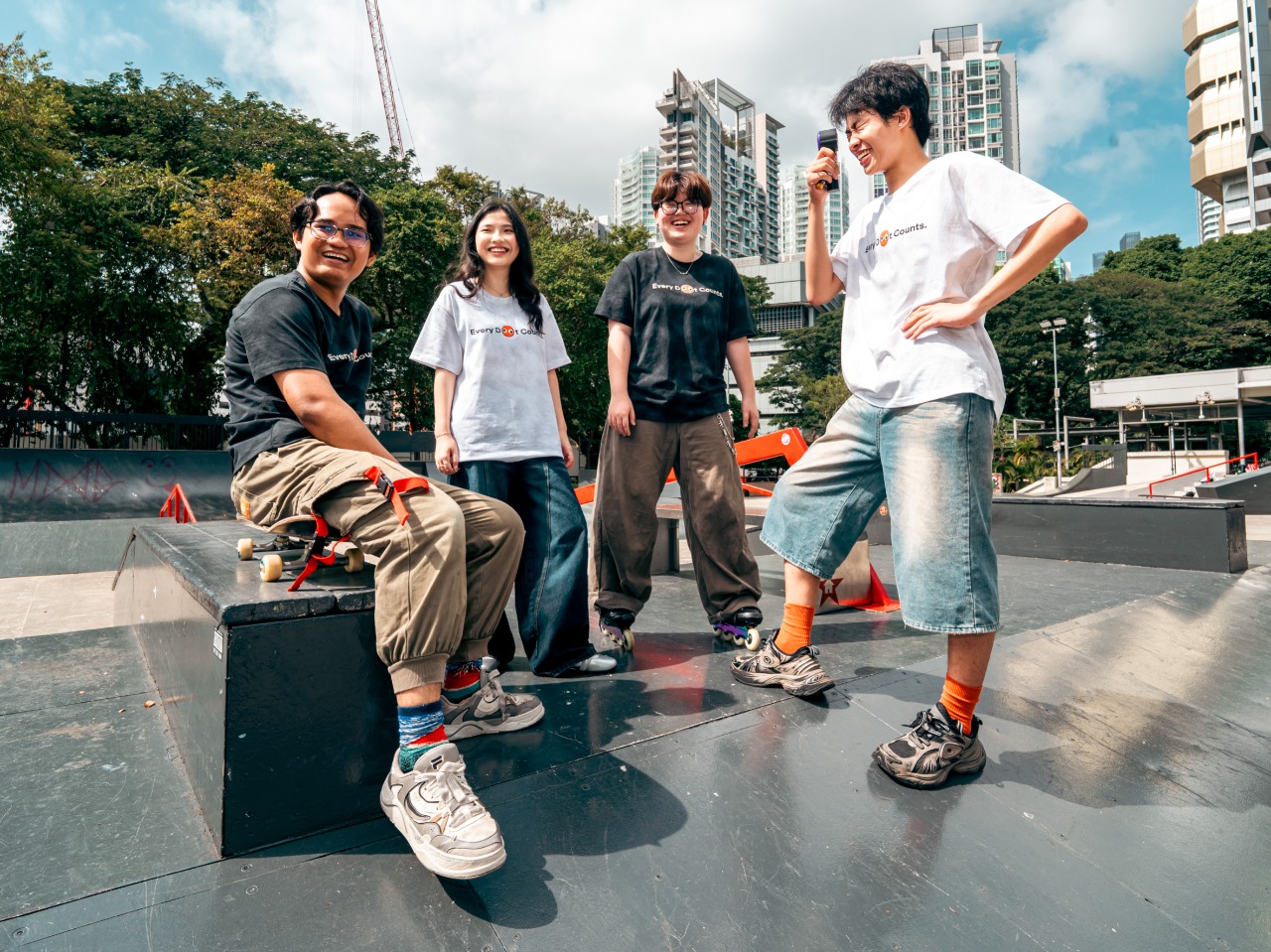
Beyond design-led projects, Writer’s Room also applied storytelling to social causes. One story documented the journey of an ex-drug offender who now runs a cat cafe to support others in similar situations under the Yellow Ribbon Project.
As a collaboration between Writer’s Room and Community and Development students from the School of Humanities & Interdisciplinary Studies, the project involved a group called Mee and You. They worked with Hawkers United to spotlight the realities of hawker life, capturing their struggles and moments of success, while celebrating the culture that keeps the trade alive.
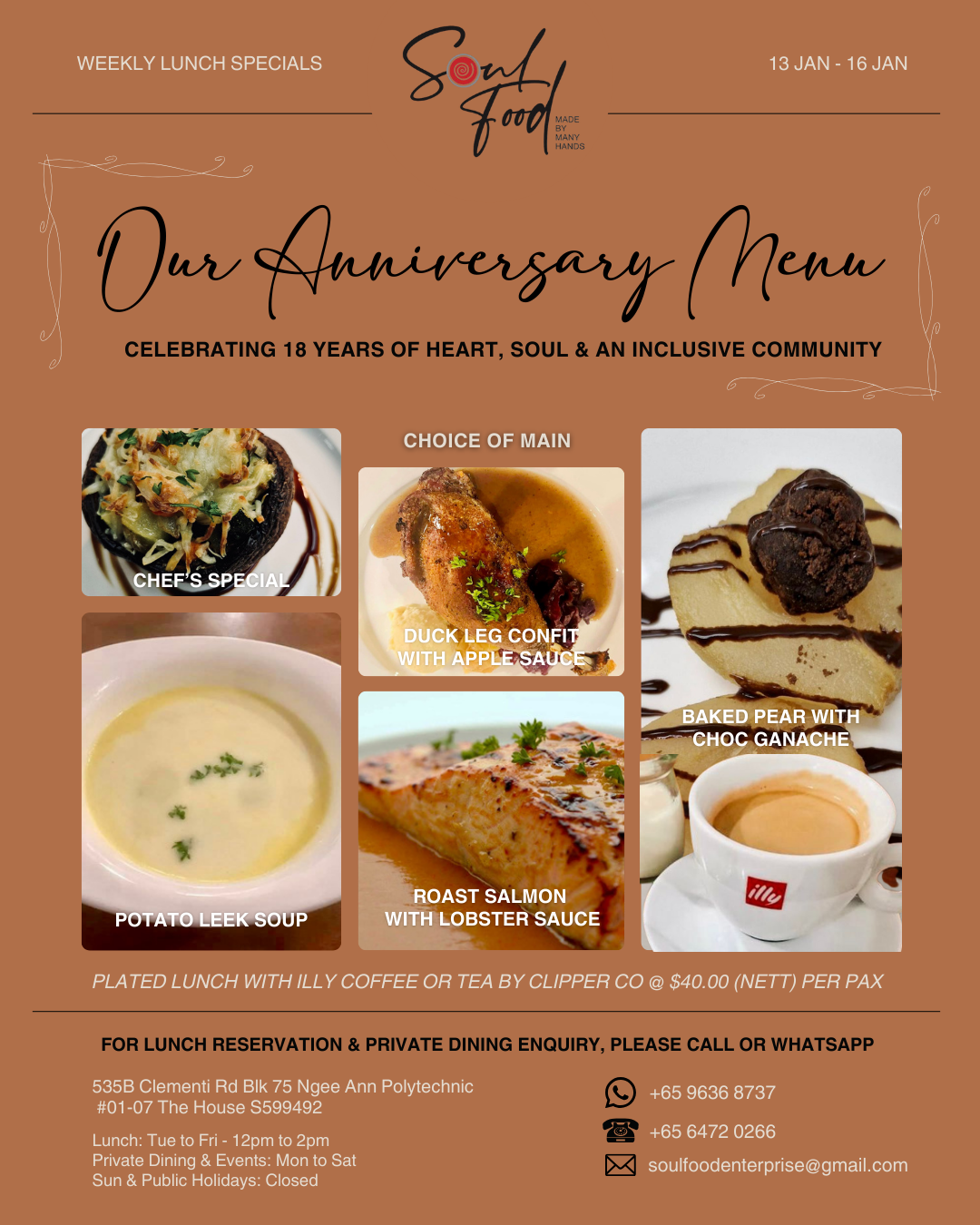
Similarly, while a group of Metamorphica students focused on strengthening Soul Food’s branding, Writer’s Room worked alongside them to cover the business’s story.
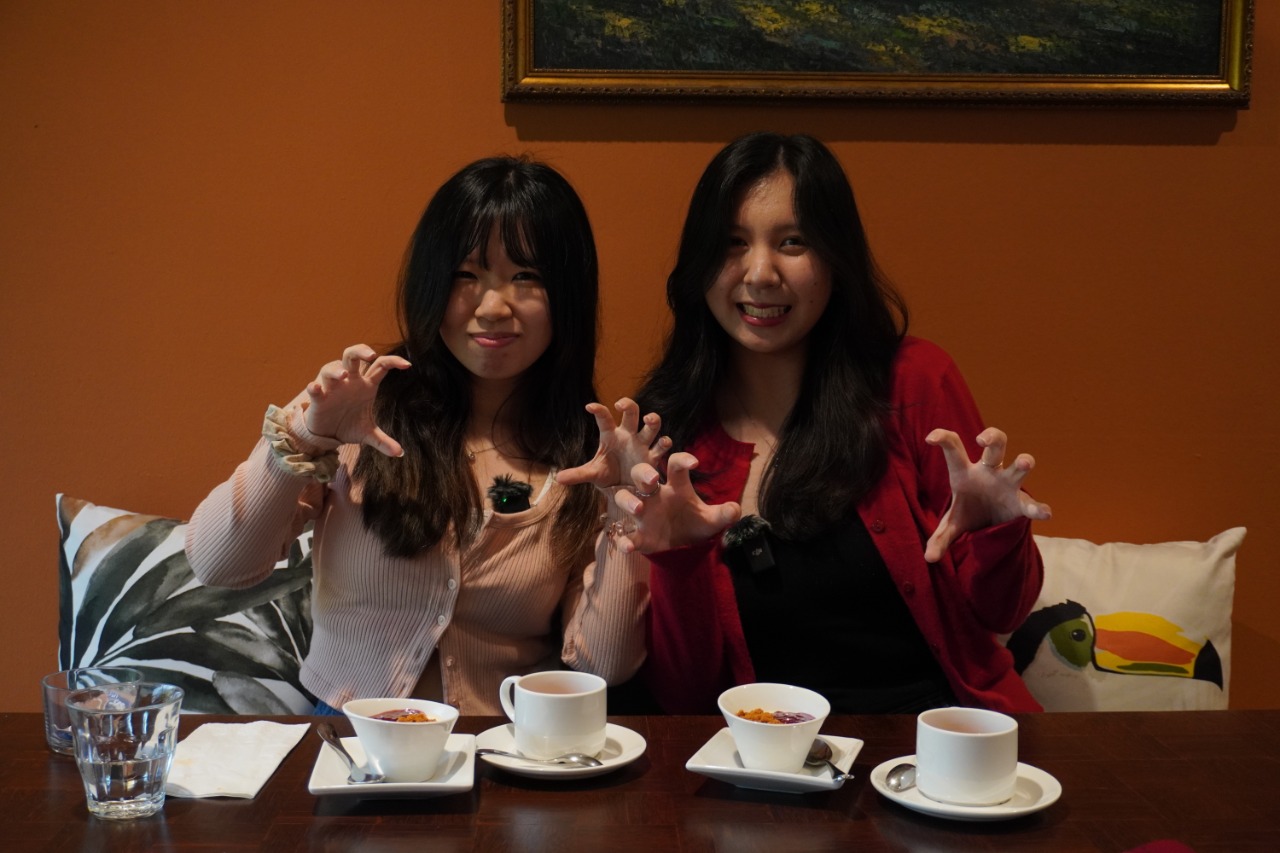
“[My group] partnered with Soul Food Enterprise and helped them develop a media-led campaign to improve how they communicate with their audience as they are currently struggling with exposure [and] awareness,” says Regine. “We did this through social media, while also helping them stay true to their purpose and value as a social enterprise.”
More Than a School Project
No matter the project at hand, capstone groups must navigate tight timelines, accountability for deliverables, and clients’ expectations, balancing real-world constraints alongside academic demands.
Despite these challenges, students see their work as more than just an assignment.
Isabelle shares, “It feels meaningful to know that the money we raise actually goes somewhere that matters, which is why I was so passionate about making [a campaign like this] happen.”
Regine says, “As a Mass Communication student, I was always taught [that] media shapes what people actually care about, notice, [and] learn… Media practitioners like us can help translate their mission [and] values into brand stories that are relatable, accessible, and engaging for their target audience.”
Beyond deadlines and getting a good grade, these student-led platforms demonstrate how media can drive tangible impacts when underrepresented voices are given a platform. Projects like Inspire, Writer’s Room, and Metamorphica bridge the gap between storytelling and social change, redefining what student media can achieve — not just as a learning experience, but as a platform for empathy and awareness.